Crop-based farming
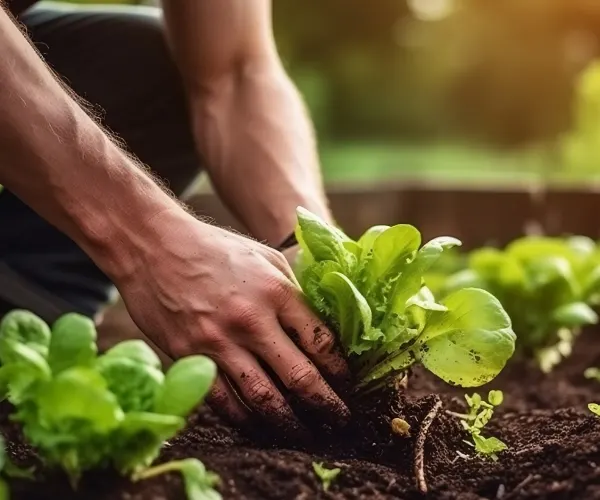
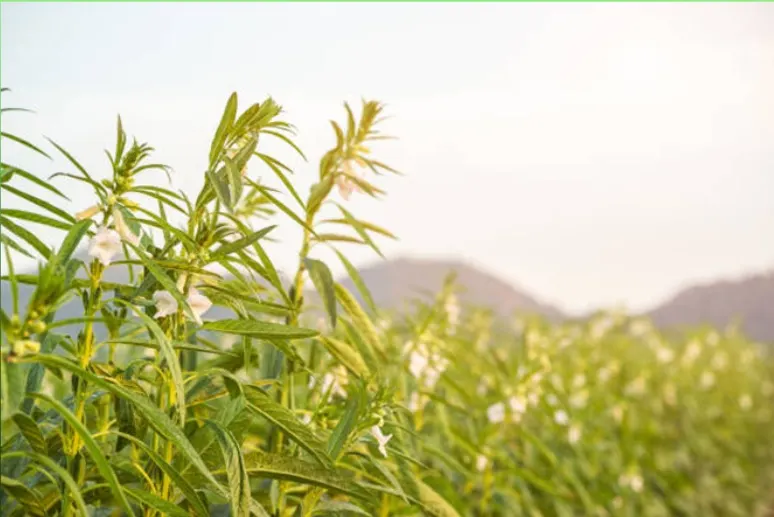
Organic cereals, pulses, fruits, and vegetables. In India this includes turmeric, ginger, and basmati rice. Kerala is renowned for cardamom, black pepper, and nutmeg.
From the Farmers, Through the Farmers, To the Farmers.
Organic agriculture is a holistic farming system that seeks to produce food in harmony with natural ecosystems while avoiding synthetic inputs like chemical fertilizers, pesticides, and genetically modified organisms (GMOs). It emphasizes sustainability, biodiversity, soil health, and ecological balance, offering a sustainable alternative to conventional agricultural practices. In India, organic farming is deeply rooted in traditional agricultural practices and is gaining traction due to growing consumer awareness and government support. Kerala, often referred to as “God's Own Country,” has been a pioneer in promoting organic farming through its policies and initiatives aimed at transforming agriculture into a more eco-friendly system.
Organic farming aims to enhance the health of soil, plants, animals, and humans. It works with natural cycles and ecosystems, promotes equity and respect among all stakeholders from farmers to consumers, and encourages responsible management of resources and long-term sustainability. In Kerala, emphasis has been placed on integrating traditional farming practices with modern organic methods, focusing on sustainability and community involvement.
Organic practice in India and Kerala spans crops, livestock, gardens, water, trees, and mixed systems.
Organic cereals, pulses, fruits, and vegetables. In India this includes turmeric, ginger, and basmati rice. Kerala is renowned for cardamom, black pepper, and nutmeg.
Animals raised on organic feed without growth hormones or antibiotics, with rotational grazing and biodynamic methods. Kerala is combining livestock with coconut and spice plantations.
Organic fruit, vegetable, and flower production, including greenhouse farming and urban gardening. Kerala promotes rooftop vegetable gardens in towns and cities.
Fish farming with organic feed, clean water, and no synthetic additives. Kerala’s backwaters offer income and environmental gains through organic fish farming.
Agriculture with forestry to keep biodiversity. Kerala’s home garden system is a working model of perennial, mixed planting.
Crops, livestock, and aquaculture in one system so nutrients, feed, and space are used more fully.
Biodynamic farming, founded by Rudolf Steiner, integrates spiritual and cosmic elements, using preparations and lunar cycles for soil enrichment. Permaculture focuses on sustainable land use, blending organic farming with eco-engineering, and is practiced on small-scale farms in Kerala. Natural farming, promoted by Subhash Palekar, avoids external inputs and preserves traditional methods, widely adopted in Kerala. Regenerative agriculture restores soils, boosts biodiversity, and improves water cycles. Urban organic farming, including rooftop gardens and vertical farms, thrives in Kerala cities like Thiruvananthapuram and Kochi, encouraging self-sufficient food production.
Regional variances arise as organic farming techniques differ based on climate, soil type, and local practices. For example, terracing is crucial in hill regions like Wayanad in Kerala, while mulching is widely used in its coastal areas. Cultural influences also shape organic farming approaches, with indigenous knowledge and traditional practices leading to variances. In India, the organic farming movement draws heavily from age-old agricultural wisdom. Economic variances indicate that organic farming's profitability depends significantly on subsidies, market access, and certification costs. Kerala's organic farming programs have focused on providing subsidies to small farmers and ensuring market access through organic markets and fairs. Scientific innovations in biofertilizers, bio-pesticides, and organic soil amendments create variations in organic practices, while technological integration like AI and IoT adds another layer of variance. Consumer behavior and market trends further influence organic farming, with Kerala's growing organic tourism playing a role in promoting the demand for local organic products.
Soil microbiome research investigates how organic practices influence soil microbial diversity and productivity. Carbon sequestration studies focus on the role of organic farming in mitigating climate change by trapping carbon in soils. Kerala’s initiatives in carbon-neutral farming provide a model for such studies. Economic feasibility is being explored to identify cost-effective methods for small-scale organic farming and certifications. Impact assessments analyze the long-term effects of organic farming on biodiversity, water quality, and ecosystem services. Kerala’s unique biodiversity hotspots, such as the Western Ghats, offer valuable insights into these assessments. Technological integration examines how blockchain, AI, and precision farming tools enhance organic certification and traceability. Kerala has initiated digital platforms to connect organic farmers directly with consumers, ensuring transparency and trust in the supply chain.

Transform your outdoor space with our expert garden services! From design to maintenance, we create beautiful, thriving gardens tailored to your vision. Let us bring your dream garden to life—professional, reliable, and passionate about nature.